

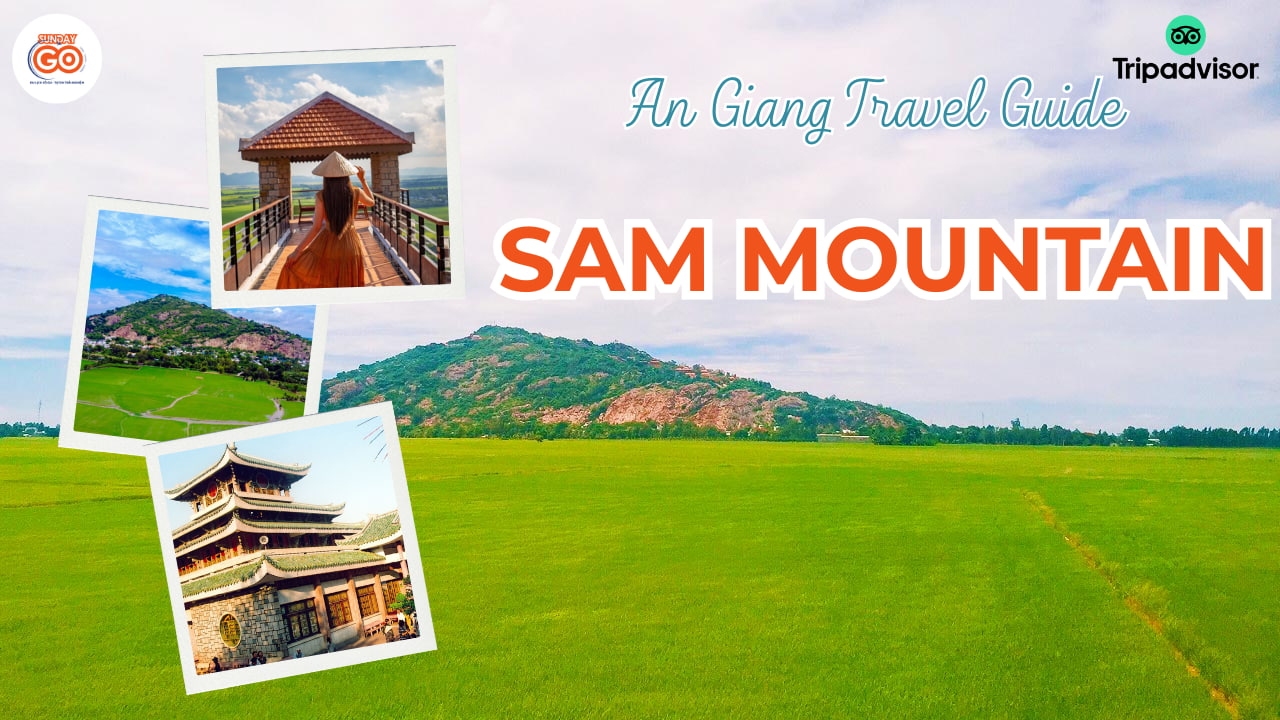
Discover Sam Mountain Vietnam’s temples, cable car, and panoramic views. Expert travel guide with tips, tours, and best times to visit from Sunday Go.
Sam Mountain Chau Doc: Your Complete Guide to Vietnam’s Sacred Peak
Rising majestically from the flat rice paddies of the Mekong Delta, Sam Mountain stands as the region’s highest peak at approximately 230-284 meters. Located just 6km from Chau Doc Town in An Giang Province, this granite mountain is far more than just a scenic viewpoint—it is a sacred pilgrimage site home to over 200 ancient temples and pagodas.
For international travelers seeking an authentic slice of Vietnamese culture, Sam Mountain offers a perfect blend of spiritual heritage and stunning natural beauty. Whether you’re riding the modern cable car to catch panoramic views of the Cambodian border or exploring centuries-old shrines hidden in caves, Sam Mountain promises an unforgettable experience.
At Sunday Go, we have over 5 years of experience crafting personalized journeys for visitors aged 22-60. Let us guide you through the mysteries and majesty of this sacred destination.
Essential Sam Mountain Information
Location and How to Get There
Sam Mountain is situated in the Vinh Te Commune, roughly 6km west of Chau Doc city center and 62km from Long Xuyen City.
- From Ho Chi Minh City: The journey covers approximately 245km and takes about 5-6 hours by bus or private car.
- Getting Around: Once in Chau Doc, you can reach the mountain base in 15 minutes via taxi or motorbike.
- Sunday Go Tip: For a hassle-free experience, book our private transfer service directly from HCMC or Can Tho.
Best Time to Visit
The dry season from November to April offers the best weather for climbing and sightseeing.
- Peak Pilgrimage: The famous Ba Chua Xu Festival takes place from the 23rd to the 27th of the 4th lunar month (usually April/May), attracting millions of devotees. Visit during this time for intense cultural immersion, or avoid it if you prefer quiet exploration.
- Photography: Arrive at sunrise (5:30-6:30 AM) to see the rice fields bathed in golden light.
Entrance Fees and Opening Hours
- Opening Hours: The tourist area is generally open from 8:00 AM to 9:00 PM, though temples often open earlier for prayer.
- Entrance Fee: A small fee of roughly 20,000 VND applies to visitors arriving by car or bus during peak seasons.
- Cable Car: Runs daily from 7:00 AM to 5:00 PM (hours may extend on holidays).
Top Sam Mountain Things to Do
Ride the Sam Mountain Cable Car
For the most spectacular views, take the Sam Mountain Cable Car. This modern Austrian-designed system whisks you 900 meters from the base to the summit.
- The Experience: As you ascend, you’ll float above endless green rice paddies and rural villages.
- Cost: Round-trip tickets are approximately 150,000 VND (~$6-7 USD), often including a complimentary meal option at the base station.
- Photo Op: The ride offers a bird’s-eye view of the landscape below.
Conquer the Summit
At the top, you are rewarded with a 360-degree panorama. You can clearly see the border of Cambodia, just a few kilometers away.
- Highlights: Visit the military outpost (ask permission before photos), small shrines, and the “Phat Ngoc” (Jade Buddha) pavilion.
- Hiking: Active travelers can hike the 4km loop road, which takes about 1.5 hours.
Explore the “Big Four” Sacred Sites
Sam Mountain is famous for its cluster of historic religious sites at the base and on the slopes:
- Ba Chua Xu Temple (Lady Xu Temple): The most important spiritual site in Southern Vietnam. The current massive structure, with its blue-tiled roofs and lotus-flower shape, was rebuilt between 1972 and 1976. It houses a sacred sandstone statue dating back to the 6th century.
- Tay An Pagoda: Known for its unique architectural fusion of Indian onion-shaped domes and traditional Vietnamese motifs. It is a peaceful sanctuary filled with over 100 wooden statues.
- Hang Pagoda (Phuoc Dien Temple): Perched halfway up the mountain, this “Cave Pagoda” requires a climb of hundreds of steps. The effort is worth it for the stunning views and the serene atmosphere of the cave shrine.
- Thoai Ngoc Hau Tomb: The resting place of the mandarin who dug the Vinh Te Canal. The massive stone tomb is a dignified reminder of the region’s history.
Practical Sam Mountain Travel Tips
What to Bring
- Sun Protection: The Mekong sun is strong. Bring a hat, sunglasses, and sunscreen.
- Modest Clothing: You are visiting active places of worship. Shoulders and knees must be covered at Ba Chua Xu Temple and pagodas.
- Comfortable Shoes: If you plan to visit Hang Pagoda or walk the summit road, sturdy walking shoes are essential for the steep steps.
Cultural Etiquette
- Respect: Remove shoes before entering temple main halls.
- Photography: Ask permission before photographing monks or people praying.
- Offerings: You will see locals offering roasted pigs, fruits, and flowers to Lady Xu. You are welcome to burn incense but follow the flow of the crowd.
Safety
- Motorbike Taxis (Xe Om): Drivers will offer rides to the summit. Agree on a price before you hop on (usually around 20,000 – 50,000 VND depending on distance).
- Animals: Be cautious of monkeys on the mountain slopes; do not feed them.
Where to Stay: Accommodation Guide
- Luxury: Victoria Nui Sam Lodge
Located on the side of Sam Mountain itself, this lodge offers stone bungalows with private terraces overlooking the rice fields. It’s perfect for sunset lovers. - Mid-Range: Hotels in Chau Doc center like the Victoria Chau Doc Hotel offer riverside luxury and easy access to the mountain (15 mins away).
- Budget: Dozens of guesthouses (Nha Nghi) line the road at the base of the mountain for pilgrims, offering basic but clean rooms from $10 USD.
Sunday Go can arrange the perfect accommodation to suit your budget and style.
Why Choose Us?
- Expertise: 5+ years serving international tourists.
- Convenience: We handle all transport, tickets, and visa services.
- Local Insight: Eat where the locals eat and see hidden spots most tourists miss.
Conclusion
Sam Mountain is more than just a destination; it is the spiritual heart of the Mekong Delta. From the smoke-filled courtyards of ancient temples to the breezy heights of the cable car summit, it offers a profound connection to Vietnam’s land and culture.
