

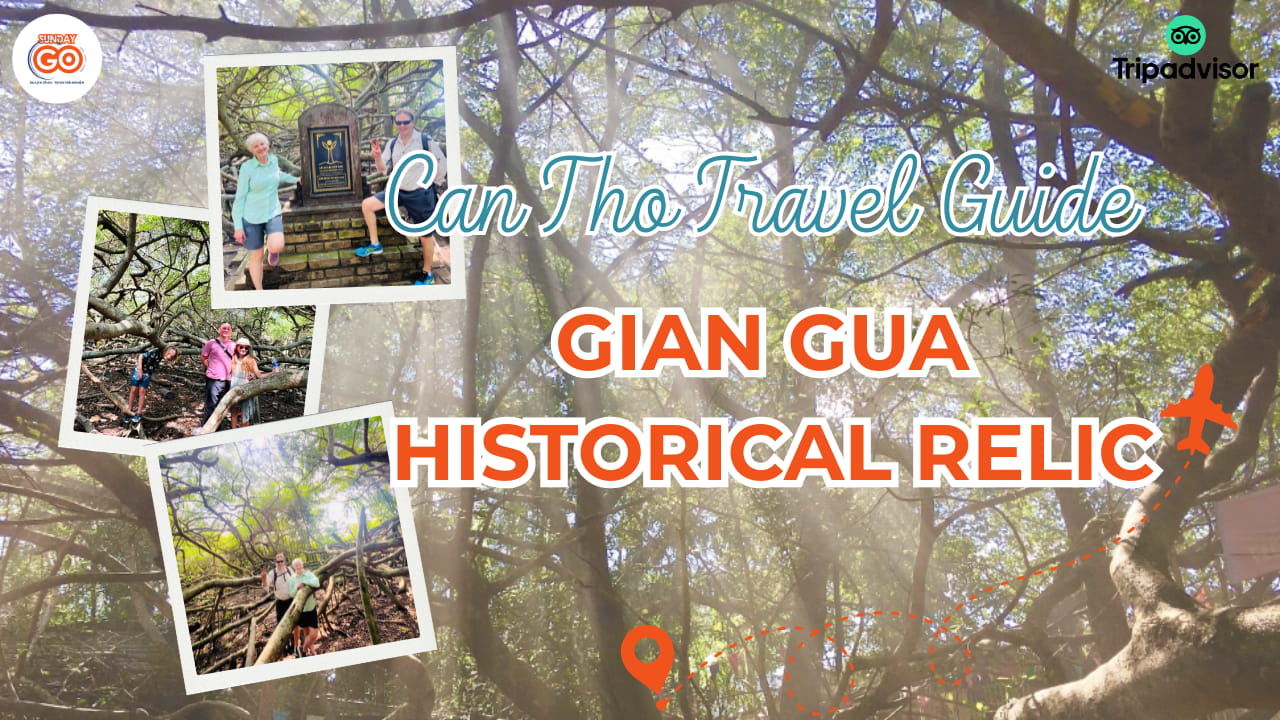
Imagine standing inside a living cathedral made not of stone, but of thousands of tangled ancient roots. This is the Gian Gua historical relic, a site often compared to the mystical landscapes of movies like Avatar or the ancient ruins of Angkor Wat. For travelers exploring the Mekong Delta, this isn’t just a tree—it is a massive ecological wonder covering over 2,700 square meters.
While the Cai Rang Floating Market gets the fame, the Gian Gua historical relic captures the soul of Can Tho. It is a place where history, nature, and spirituality intertwine in a way you rarely see elsewhere. Whether you are a solo backpacker or a family looking for a unique history lesson, this guide will tell you everything you need to know about visiting this secret giant.
Why Visit the Gian Gua Relic?
The Ecological Wonder: A Giant Ficus Tree in Can Tho
The site is dominated by a primeval Ficus microcarpa, known locally as the Malayan Banyan tree or “Gua” tree. Unlike a standard tree with a single trunk, this giant ficus has developed a complex network of branches and aerial roots that weave together to form a dense canopy. Originally, the canopy was much larger, but even today, the remaining “matrix” of roots is so thick that it blocks out the harsh tropical sun, creating a cool, mysterious atmosphere perfect for photography.
A Living Witness to History
The Gian Gua historical relic is not just a natural oddity; it is a heroic symbol of the Vietnamese revolution. During the resistance wars against the French and later the Americans, this dense terrain served as a secret base for the liberation forces. The thick foliage acted as natural camouflage, hiding ammunition depots and special forces meetings from aerial reconnaissance.
What makes this story incredible is the tree’s resilience. The area was bombed and shelled repeatedly, causing the tree to catch fire and lose many branches. Yet, after every attack, the tree miraculously regenerated, sprouting new life from its scorched roots—a powerful metaphor for the strength of the local people.
Spiritual Significance
Nestled within the embrace of the tree roots lies a small temple dedicated to Ba Thuong Dong Co Hi, a local female deity. Locals believe the tree is sacred and that the deity protects the land and its people. Visitors often see residents coming here to burn incense and pray for health, peace, and prosperity. This blend of revolutionary history and sacred folklore makes the Gian Gua historical relic a deeply meaningful stop.
Practical Guide: Location & Logistics
Where is the Gian Gua Historical Relic?
The relic is located in Nhon Khanh Hamlet, Nhon Nghia Commune, Phong Dien District, approximately 14 kilometers from the center of Can Tho City. It sits quietly off the main tourist trail, surrounded by fruit orchards and small canals.
How to Get There
Finding the Gian Gua historical relic can be an adventure on its own. Here are the best ways to reach it:
- By Motorbike: This is the most popular choice for adventurous travelers. From the city center, you can ride towards Phong Dien district via Highway 61C. The route takes about 30-40 minutes.
- By Boat: For a truly authentic Mekong experience, you can access the site from the river. Small sampans can navigate the canals to reach the site, often passing scenic cocoa farms along the way.
- By Car: You can hire a private car, but be aware that the final road leading to the entrance is quite narrow. You may need to walk the last 500 meters or take a short motorbike taxi transfer.
Gian Gua Historial Relic Can Tho Price & Opening Hours
One of the most common questions we get at Sunday Go is about the cost.
- Entrance Fee: The site is free to enter. There is no official ticket price. However, there is a donation box near the temple if you wish to contribute to the maintenance of the site.
- Opening Hours: The site is open daily, typically from 7:00 AM to 5:00 PM.
Things to do at Gian Gua Historical Relic
Explore the “Root Matrix”
The highlight of any Gian Gua relic review is the feeling of walking inside the tree. The aerial roots form natural archways and cages. You can spend 30 minutes just wandering through these wooden tunnels, admiring the intricate textures that have formed over 150 years.
Spot the “War Scars”
If you look closely at the older branches, you can still see the physical scars left by bombs and fire. These healed wounds are a tangible connection to the history of the secret VC base that once operated here.
Burn Incense for good luck
Even if you are not religious, lighting an incense stick at the temple is a respectful gesture to the local culture. It is a peaceful moment to reflect on the history of the site.
Expert tips for travelers
To make your trip to the Gian Gua historical relic smooth and enjoyable, keep these insider tips in mind:
- Dress code: Since this is a spiritual site with a temple, please dress modestly. Avoid very short shorts or tank tops; covering your shoulders and knees is recommended.
- Mosquito protection: The area is dense with vegetation and near water. We strongly advise applying mosquito repellent before you enter the tree canopy.
- Best time to visit: Arrive between 8:00 AM and 10:00 AM. The morning light filtering through the leaves creates stunning beams, perfect for professional-quality photos.
FAQ: Common questions about Gian Gua
Q: How much time should I spend here?
A: Most visitors spend about 30 to 45 minutes. This gives you enough time to take photos, visit the temple, and learn about the history.
Q: Is there a “Gian Gua historical relic price” for tours?
A: While the site is free, a private guided tour (including bikes or car transport) depending on the group size and type of tour.
Conclusion
The Gian Gua historical relic is more than just a destination; it is a survivor. It stands as a testament to the power of nature to heal and the resilience of the Vietnamese spirit. For travelers seeking to go beyond the standard tourist trail, this relic offers a quiet, profound experience that lingers in your memory long after you leave.
Ready to explore the secrets of the Mekong Delta? Let Sunday Go take care of your trip. With our deep experience in local tourism and commitment to high-quality service, we ensure your journey to the Gian Gua historical relic is safe, insightful, and unforgettable.
